Source modern simple metal furniture hardware for Sofa, Table, Cabinet
Find and compare 30 listings for modern simple metal furniture hardware suitable for sofas, tables, and cabinets. Buyers can review specifications like thickness, finish, and dimensions to select the right components for their projects.
Key considerations
Products List


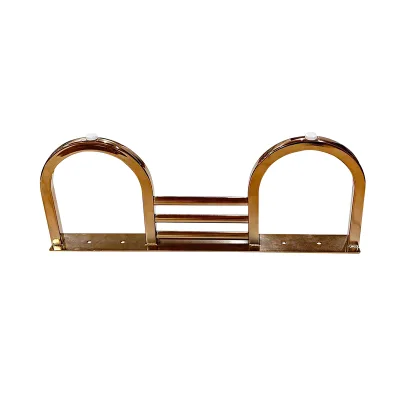


Comprehensive Sourcing Guide
Strategic Sourcing Guide for Modern Simple Metal Furniture Hardware
The global demand for modern simple metal furniture hardware continues to expand as manufacturers prioritize minimalist aesthetics, structural integrity, and cost-effective production. For procurement professionals, sourcing these components requires a disciplined approach that balances technical specifications with supply chain reliability. The market offers a diverse array of options, ranging from standard chrome-finished legs to custom-brushed handles, all grounded in fundamental materials like iron and stainless steel. This guide outlines the critical factors buyers must evaluate to ensure successful procurement of high-quality hardware that meets contemporary design standards.
Technical Specifications and Material Composition
The foundation of any reliable hardware procurement strategy lies in a precise understanding of technical specifications. In the realm of modern simple metal furniture, the material composition is the primary determinant of durability and finish quality. Observed market data indicates that iron and stainless steel are the dominant materials used for these components. Iron offers a robust base for heavy-duty applications, while stainless steel provides superior corrosion resistance, making it ideal for environments with high humidity or frequent cleaning.
Thickness is another critical specification that varies significantly based on the intended load-bearing requirements. Buyers should expect to encounter products with thicknesses ranging from 0.9mm to 1.4mm. A thickness of 1.4mm is often associated with heavy-duty legs or supports for sofas and tables, ensuring stability under significant weight. Conversely, 0.9mm or 1.2mm variants may be suitable for lighter cabinetry or decorative chair components. The diameter of cylindrical legs also plays a vital role in the aesthetic and functional profile, with standard sizes frequently observed at 40mm.
Finishing processes are equally important for achieving the "modern simple" aesthetic. The chrome finish remains a staple for its reflective, clean look, but the market has expanded to include matte aluminum, black, and gold options. Some suppliers offer a combination of finishes, such as chrome, gold, or brushed textures, allowing for greater design flexibility. When evaluating technical data, buyers must verify that the finish is applied uniformly and is resistant to chipping or fading, as these are common failure points in lower-quality hardware.
Compliance, Certification, and Safety Standards
In the B2B procurement landscape, compliance with international safety and environmental standards is non-negotiable. While specific test results may vary by batch, reputable suppliers in the region typically adhere to a set of recognized certifications. Key certifications to look for include CE, ISO, RoHS, and CCC. These marks indicate that the product meets specific safety, quality, and environmental protection requirements.
The CE mark signifies conformity with health, safety, and environmental protection standards for products sold within the European Economic Area. ISO certification demonstrates that the manufacturer follows international quality management standards, ensuring consistent production processes. RoHS compliance is crucial for electronic and mechanical components, as it restricts the use of specific hazardous materials. Finally, the CCC mark is essential for products entering the Chinese market, indicating compliance with national safety standards.
Buyers should not assume that all listed products automatically possess these certifications. Instead, the procurement process must include a verification step where the supplier provides valid documentation for each batch. This due diligence protects the buyer from liability issues and ensures that the hardware can be legally imported and sold in target markets.
Cost Drivers and Pricing Dynamics
Understanding the cost drivers for modern metal hardware is essential for budgeting and negotiation. The price of these components is influenced by several factors, including material costs, finishing complexity, and order volume. The observed price range in the market spans from $0.01 to $11.07 per unit, reflecting the vast diversity in product types and quality levels. A single plastic bag-packed item will naturally cost less than a bulk carton of custom-finished legs.
Volume is a primary driver of unit cost. The Minimum Order Quantity (MOQ) varies widely, ranging from as low as 2 pieces for sample orders to 200,000 pieces for large-scale industrial contracts. Some suppliers set a specific MOQ of 2,000 pieces for certain models, while others offer flexible terms for smaller orders. Buyers must balance the need for inventory against the capital tied up in stock. Larger orders typically yield a lower unit price but require careful demand forecasting to avoid overstocking.
Customization is another significant cost factor. While many products are available in standard configurations, the ability to customize dimensions, finishes, or packaging adds value but also increases the price. The production time for customized orders is typically estimated at 14 to 20 days, depending on the quantity. This lead time must be factored into the overall supply chain schedule to prevent delays in furniture assembly or retail launches.
Typical Applications and Design Integration
Modern simple metal hardware is versatile and finds application across a wide spectrum of furniture categories. The primary usage areas include sofas, tables, cabinets, beds, and chairs. The specific design requirements for each application vary. For instance, sofa legs often require a robust chrome or matte aluminum finish to support the weight of the seating while maintaining a sleek profile. Cabinet handles, on the other, demand precise hole distances, such as 32mm, and may feature a rotary or fixed mechanism depending on the door type.
The style of the hardware must align with the overall furniture design. The "modern" aesthetic typically favors clean lines, geometric shapes, and neutral colors like black, chrome, or brushed gold. The "simple" aspect implies a lack of ornate detailing, focusing instead on functionality and form. Buyers should ensure that the selected hardware complements the intended furniture style, whether it is a contemporary living room set or a minimalist office workspace.
Packing standards also play a role in application logistics. Products are commonly packed in cartons, with quantities ranging from 1 piece per plastic bag to 200 pieces per carton. The standard carton packing of 60 or 200 pieces facilitates efficient shipping and storage. For specialized items, such as cabinet handles with specific hole distances, the packaging must protect the precision of the components during transit.
Supplier Evaluation and Origin Verification
Selecting the right supplier is a critical step in the procurement process. Geographic origin can be a strong indicator of manufacturing capability and supply chain maturity. In the context of metal furniture hardware, Guangdong, China, is a prominent production hub known for its extensive manufacturing ecosystem. Products originating from this region often benefit from established supply chains and specialized expertise in metalworking.
When evaluating suppliers, buyers should verify the origin of the product and the consistency of their production capabilities. The presence of a specific production model number, such as YJ-862, YJ-071, or YJ-979, can help in tracking specific product lines and ensuring consistency across orders. Additionally, the condition of the product, whether new or used, must be clearly defined. Most B2B transactions involve new products, but it is essential to confirm this to avoid receiving refurbished or second-hand goods.
The supplier's ability to meet production timelines is another key evaluation criterion. While standard lead times may be 14 to 20 days, some suppliers may offer a 30-day delivery window for larger or more complex orders. Buyers should assess the supplier's track record for meeting these deadlines and their responsiveness to inquiries. A reliable supplier will provide clear communication regarding production status and potential delays.
Quality Control and Long-Term Procurement Considerations
Implementing a robust quality control (QC) protocol is essential for maintaining product integrity. Buyers should establish clear acceptance criteria based on the observed specifications, such as thickness, finish quality, and dimensional accuracy. For example, verifying that the thickness matches the specified 0.9mm, 1.2mm, or 1.4mm is crucial for structural safety. Similarly, checking the finish for uniformity and resistance to wear ensures the product meets the aesthetic expectations of the end-user.
Long-term procurement considerations involve building a sustainable relationship with suppliers. This includes negotiating favorable terms for repeat orders, securing consistent quality, and ensuring a steady supply of raw materials. The ability to customize products, such as adjusting the height from 80mm to 150mm or selecting specific diameters, adds significant value to the procurement strategy. Buyers should also consider the environmental impact of their choices, prioritizing suppliers who adhere to RoHS and other eco-friendly standards.
Finally, buyers must remain vigilant about market changes and technological advancements. The furniture hardware industry is dynamic, with new finishes and materials constantly emerging. Staying informed about these trends allows buyers to adapt their sourcing strategies and maintain a competitive edge. By focusing on technical specifications, compliance, cost drivers, and supplier reliability, procurement professionals can secure high-quality modern simple metal furniture hardware that meets the demands of today's market.
Comparative Analysis of Common Hardware Specifications
To assist in decision-making, the following table summarizes key specifications observed in the market for modern simple metal furniture hardware. This comparison highlights the variability in dimensions, finishes, and packaging that buyers should consider.
| Specification Category | Common Variants Observed | Typical Application | Notes for Verification |
|---|---|---|---|
| Material | Iron, Stainless Steel | Legs, Handles, Supports | Verify grade and corrosion resistance. |
| Thickness | 0.9mm, 1.2mm, 1.4mm | Heavy-duty vs. Light-duty | Match thickness to load requirements. |
| Finish | Chrome, Black, Gold, Matt Aluminum | Aesthetic matching | Check for uniformity and chipping. |
| Dimensions | 40mm Diameter, 77mm-150mm Height | Legs, Supports | Confirm exact measurements for fit. |
| Hole Distance | 32mm, 96mm-224mm | Cabinet Handles | Critical for installation alignment. |
| Packing | 1PC/Bag, 60-200PCS/Carton | Logistics & Storage | Ensure packaging protects components. |
| Origin | Guangdong, China | Manufacturing Hub | Verify origin for quality assurance. |
| Certification | CE, ISO, RoHS, CCC | Compliance | Request valid certificates for each batch. |
This structured approach to sourcing ensures that buyers can navigate the complexities of the modern metal hardware market with confidence. By adhering to these guidelines, procurement teams can secure products that deliver value, quality, and reliability for their furniture manufacturing needs.
FAQs
What materials are used for modern simple metal furniture hardware?
Iron and stainless steel are the primary materials used for these components. Iron offers a robust base for heavy-duty applications, while stainless steel provides superior corrosion resistance for humid environments.
Which thickness options are available for metal furniture legs?
Available thicknesses range from 0.9mm to 1.4mm depending on the load requirements. A thickness of 1.4mm is often associated with heavy-duty legs, while 0.9mm or 1.2mm variants suit lighter cabinetry.
Can I customize the finish color for metal furniture hardware?
Yes, customization is available for finishes such as chrome, black, gold, and matte aluminum. Suppliers typically offer these options to match specific design aesthetics and functional needs.
What is the typical production time for customized orders?
The production time for customized orders is typically estimated at 14 to 20 days. This duration depends on the specific quantity ordered and the complexity of the customization requested.
Which certifications are commonly found on metal furniture hardware?
Common certifications include CE, ISO, RoHS, and CCC. These marks indicate that the product meets specific safety, quality, and environmental protection requirements for various international markets.
How is the hardware typically packed for shipping?
Products are commonly packed in cartons with quantities ranging from 1 piece per plastic bag to 200 pieces per carton. Standard packing facilitates efficient shipping and storage for bulk orders.
Where are these metal furniture hardware products manufactured?
Most products originate from Guangdong, China, a prominent production hub for metalworking. This region benefits from established supply chains and specialized expertise in manufacturing metal components.